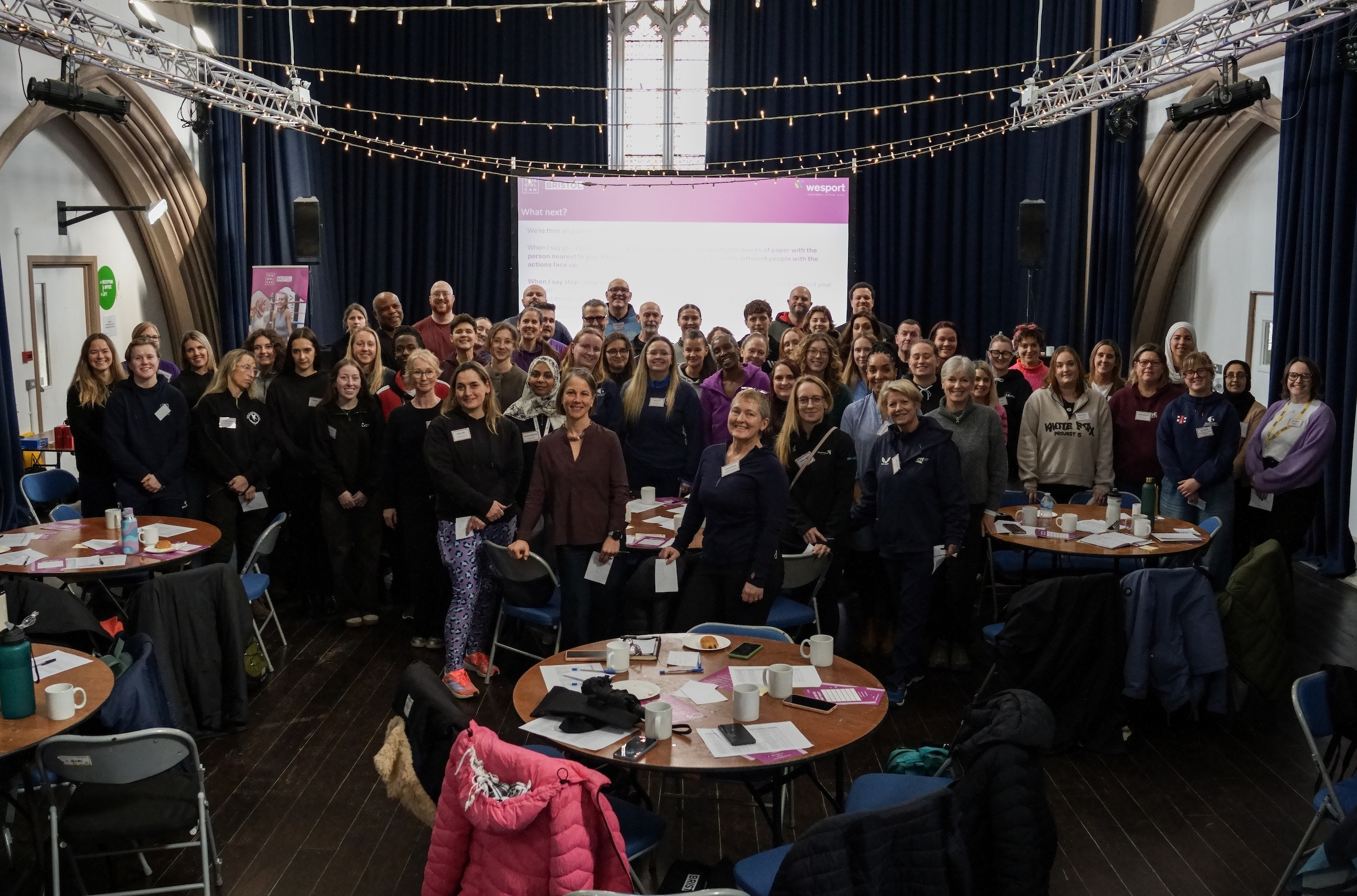
Bristol Girls Can x Wesport partnership renewed
3 February, 2026
|Branded Content|Digital Marketing|Events
This weekend, as well as the start of the 2026 Winter Olympics, sports fans were treated to a doubleheader, the opening weekend of the Six Nations and the Super Bowl. While both events are major events in their respective sporting calendars, there had previously been very different advertising approaches (and budgets) between the two. However…this weekend there was a UK first in the France/Ireland and England/Wales games.
Six Nations chief executive Tom Harrison said “In-play advertising is essential to keep the rugby union competition on free-to-air television in the UK.”
In-game ads!
ITV introduced in-game advertising during the Six Nations, a first for UK sports broadcasting. During natural breaks in play, such as scrums, a 20-second split-screen appeared, with live action on one side and the advert on the other. Samsung and Virgin Atlantic were among the first brands to showcase, although not sure the fans/viewers were overly happy, with some claiming they couldn’t even see who the advert was or what it was advertising.
So, why now?
ITV is covering over two-thirds of the £63 million annual broadcasting rights for the Six Nations and therefore in-game ads provide a new revenue stream to offset these costs, which you would think can only be good for a game that needs all the investment it can get?
Fan Reaction:
A RUCK poll revealed that 96% of respondents opposed the use of in-game adverts. No surprise the change has not gone down well, with viewers expressing frustration over the intrusion during live play across most social platforms.
“Now that might be a little bit uncomfortable for viewers, but we’re not going to be missing any of the live action. But some of those commercial enhancements are the difference between being able to afford to remain on free-to-air or having to take a different decision.”
In contrast, the Super Bowl is renowned for its high-profile adverts with brands paying up to $10 million for a 30-second spot. Money that sports like rugby could only dream of.
This year saw no surprise with more ads in tech and AI-related sectors, with companies like Meta and OpenAI showcasing new products and the continued use of celebrities to capture audience attention.
UK:
US:
Content is changing:
“It’s not going to be about 80 minutes of rugby, it’s going to be about ‘always on’ access to content, additional programming, more access to players, dressing rooms and training camps, all that kind of stuff.”
Sports in the US are more stop-start – with NBA/NHL/NFL all offering natural spots for in-game ads whereas in the UK, football especially could struggle to offer this without disrupting the viewers experience. That said, there are planned water breaks in the upcoming World Cup which could offer the ideal slot for advertisers and broadcasters? Sports like Cricket and Rugby might be able to find more natural slots but my thoughts are that it will become something that UK sports fans may need to get used to in the coming years?
As the landscape of sports broadcasting continues to evolve, the balance between commercial interests and viewer experience remains a delicate one, especially for sports like rugby who surely need as much investment as possible?
Or would we rather lose another sporting event from free-to-air TV and pay more for subscription services?
3 February, 2026
|Branded Content|Digital Marketing|Events
21 October, 2024
|Blog|Branded|Digital Marketing
16 August, 2024
|Behind the Lens|Blog|Digital Marketing